Table of Contents
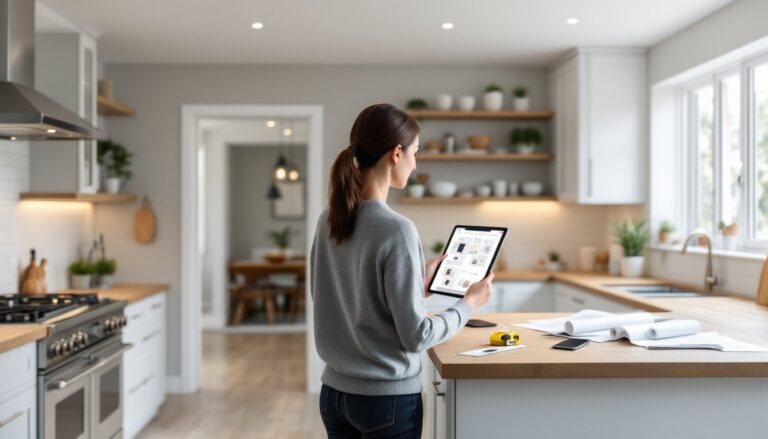
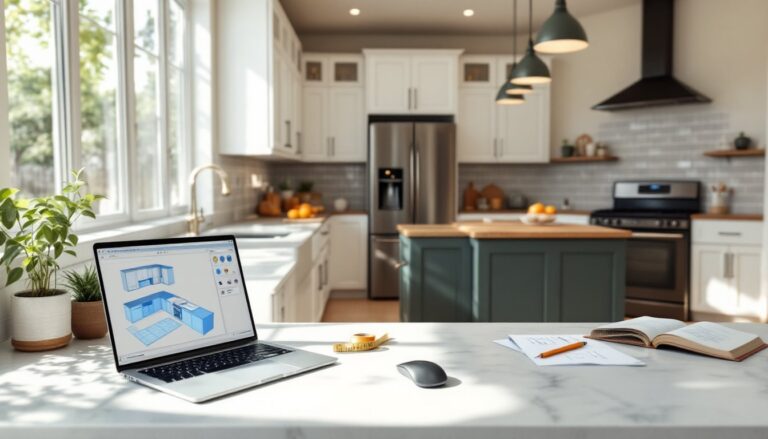
TogglePalm Beach kitchen design blends Old Florida charm with resort-level sophistication, think open layouts, ocean-inspired palettes, and finishes that handle humidity without sacrificing style. It’s a look rooted in function: bright, breezy spaces built for coastal living and year-round entertaining. Whether renovating a galley kitchen or planning a full gut job, understanding the hallmarks of this style helps homeowners make smarter material choices, avoid common pitfalls, and create spaces that feel polished but never stuffy. This guide covers color, materials, layout, lighting, and finishing touches that define the aesthetic in 2026.
Key Takeaways
- Palm Beach kitchen design combines Old Florida charm with resort sophistication, prioritizing open layouts, natural light, and humidity-resistant materials suited for coastal living and entertaining.
- Successful color schemes layer whites and creams with saturated coastal accents like coral, turquoise, or seafoam, using high-gloss finishes on cabinetry to reflect light and resist moisture.
- Quartzite and quartz countertops, large-format porcelain tile flooring, and glass-front cabinetry are ideal material choices that balance the aesthetic while handling Florida’s humid, salt-air climate.
- Layout should support entertaining with islands featuring 42–48 inches of clearance, integrated sinks or dishwashers, and seamless flow between kitchen and living areas.
- Layered LED lighting with dimmer switches, natural light management via sheer curtains, and pendant lights over islands enhance functionality while maintaining the bright, breezy Palm Beach atmosphere.
- Finishing touches like polished nickel hardware, linen textiles, rattan bar stools, and curated décor—avoiding nautical clichés—create authentic character without clutter.
What Defines Palm Beach Kitchen Style?
Palm Beach kitchens prioritize natural light, open sightlines, and materials that age gracefully in humid, salt-air climates. The style draws from 1920s Mediterranean Revival architecture and mid-century tropical modernism, updated with contemporary amenities.
Key characteristics include:
- High ceilings (9–12 feet) with decorative molding or exposed beams
- Large windows or French doors opening to courtyards or patios
- Neutral base colors punctuated by coral, turquoise, or seafoam accents
- Natural materials: stone, wood, rattan, and linen
- Minimal upper cabinetry to preserve openness and showcase tile or stone backsplashes
This isn’t beach-cottage kitsch. Expect quality craftsmanship, clean lines, and a restrained color palette. Shaker-style cabinets work, but so do flat-panel doors in lacquered finishes. Subway tile is common, but zellige or handmade ceramic adds texture without busy patterns.
Structurally, many Palm Beach homes have load-bearing exterior walls with interior partitions that can be removed to create the open kitchen-to-living flow the style demands. Always consult a structural engineer before removing walls, and check local codes, permits are required for structural changes in most Florida jurisdictions.
Essential Color Palettes for Coastal Elegance
Successful Palm Beach kitchens layer whites and creams with saturated accent colors inspired by the coast. The goal: brightness without sterility.
Primary palette:
- Whites and off-whites: Benjamin Moore White Dove (OC-17), Sherwin-Williams Alabaster (SW 7008), or Farrow & Ball Pointing (No. 2003) for cabinetry and trim
- Warm neutrals: Sand, taupe, and greige for walls, these soften harsh sunlight
- Accent colors: Coral pink, navy, seafoam green, or turquoise on islands, bar stools, or tile
Use high-gloss or semi-gloss finishes on cabinetry to reflect light and resist moisture. Matte paints absorb humidity and show wear faster in kitchens.
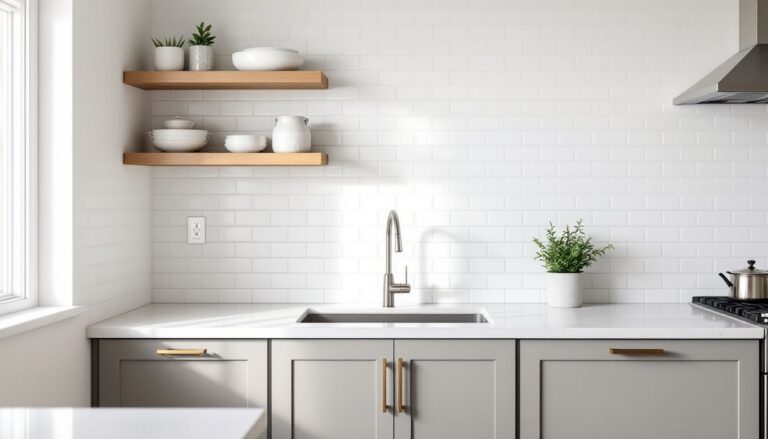
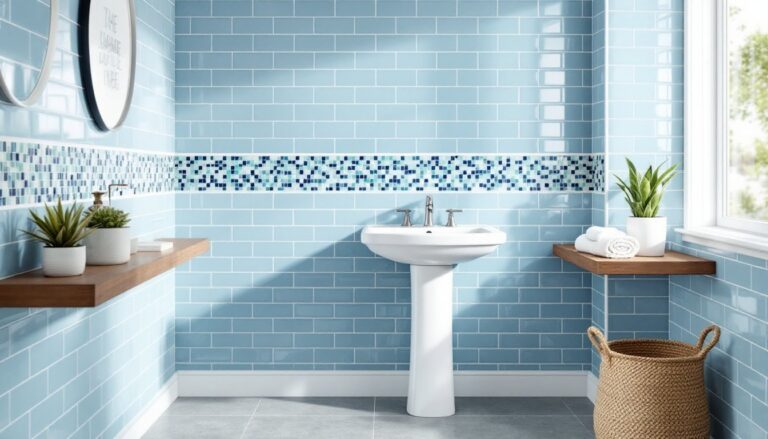
For backsplashes, classic white 3×6-inch subway tile in a running bond or herringbone pattern remains timeless. Glazed terracotta, Moroccan zellige, or hand-painted Portuguese tile add warmth. Stick to two or three colors max, Palm Beach style values restraint.
Grout matters. Use epoxy grout in wet areas (behind sinks, near dishwashers) for stain and mildew resistance. Standard cement grout works elsewhere but seal it annually. Light grout (white, ivory) keeps things bright: charcoal grout hides staining but can look heavy against white tile.
Materials and Finishes That Capture the Look
Material selection in Palm Beach kitchens balances aesthetics with Florida’s climate: high humidity, salt exposure, and intense UV.
Countertops:
- Quartzite (e.g., Taj Mahal, Sea Pearl) offers marble’s look with better durability and lower maintenance
- Quartz (Caesarstone, Silestone) resists staining and doesn’t require sealing, ideal for busy kitchens
- Marble (Carrara, Calacatta) is classic but etches from citrus and requires diligent sealing
Avoid laminate and butcher block in primary work zones: both suffer in humidity. Reserve wood for islands or breakfast bars if well-sealed.
Flooring:
- Large-format porcelain tile (12×24 inches or larger) in white, cream, or light gray minimizes grout lines and stays cool underfoot
- Natural stone (limestone, travertine) works but needs professional sealing every 1–2 years
- Engineered hardwood over solid wood, it handles humidity shifts better, but tile remains the most practical choice
Install underlayment with vapor barrier if laying tile over wood subfloors. Florida’s moisture can cause tile to lift or crack without proper prep.
Hardware and fixtures:
- Polished nickel, brushed brass, or unlacquered brass (which patinas over time) for cabinet pulls and faucets
- Stainless steel appliances or panel-ready models for a seamless look
- Avoid oil-rubbed bronze, it reads too heavy for this aesthetic
Inspiration for material combinations can be found on platforms showcasing kitchen remodel ideas, where designers often share real-world applications of finishes.
Cabinetry and Storage Solutions
Shaker-style cabinets in soft white or cream remain the workhorse of Palm Beach kitchens, but flat-panel (slab) doors in high-gloss lacquer offer a modern twist. Inset doors (where the door sits flush with the frame) deliver a custom, furniture-quality look but cost 15–20% more than overlay styles.
Glass-front uppers lighten the visual load and display serveware, but they require tidy interiors. Use them sparingly, one wall or flanking a window.
Open shelving (floating brackets or corbels) works for everyday dishes and adds dimension, but it’s high-maintenance in a working kitchen. Expect to dust weekly.
Storage tips:
- Deep drawers (not base cabinets with shelves) for pots, pans, and small appliances
- Pull-out trash and recycling bins to keep counters clear
- Lazy Susans or corner pull-outs in corner base cabinets
- Vertical dividers in base cabinets for sheet pans and cutting boards
Paint or stain should cure fully before hardware installation. If using lacquered cabinets, allow 7–10 days of curing time to avoid fingerprints and off-gassing.
Layout and Flow for Entertaining
Palm Beach kitchens are designed for hosting, cocktail parties, Sunday brunch, holiday dinners. Layout should support multiple cooks and clear sightlines to adjoining rooms.
Work triangle basics (sink, range, refrigerator within 4–9 feet of each other) still apply, but the modern trend adds a prep zone or beverage station for guests.
Island considerations:
- Minimum 42 inches of clearance on all sides for traffic flow: 48 inches is better if two cooks work simultaneously
- Overhang of 12–15 inches for bar seating: support with corbels or steel brackets if span exceeds 10 inches
- Integrate a second sink or dishwasher drawer in large islands to keep the main sink free during events
If the kitchen opens to a living area, consider a peninsula or low-profile island (36 inches high vs. standard 36 inches) to maintain sightlines.
Appliance placement:
- Wall ovens (instead of a range) free up counter space and reduce bending
- Refrigerator at the perimeter (not the island) so guests can access drinks without disrupting the cook
- Microwave in a base cabinet (drawer-style) or tucked into a pantry wall
Electrical and plumbing notes: Adding an island sink or cooktop requires running new lines. In slab foundations (common in Florida), this means cutting concrete and is not a DIY job. Budget $800–$1,500 for plumbing rough-in, plus electrical for outlets (NEC requires one receptacle every 4 feet of counter). Hire licensed trades and pull permits, inspections are required.
Lighting Choices to Maximize Natural Brightness
Palm Beach kitchens rely on layered lighting: ambient, task, and accent. Natural light is the foundation, but Florida sun can be harsh, manage it with sheer linen curtains or wood blinds, not heavy drapes.
Ambient (general) lighting:
- Recessed LED cans (5–6 inch) spaced 4–6 feet apart for even coverage
- Semi-flush or flush-mount fixtures in painted white or brass for a decorative focal point
- Avoid cool white LEDs (5000K+): stick to soft white (2700–3000K) for warmth
Task lighting:
- Under-cabinet LED strips or puck lights to illuminate countertops: hardwire them (not plug-in) for a clean look
- Pendant lights over islands, hang them 30–36 inches above the counter surface for clearance
- Choose pendants with diffused glass or linen shades: clear glass creates glare
Accent lighting:
- In-cabinet LED strips for glass-front cabinets
- Toe-kick lighting for a soft glow at night
Browsing photo galleries on sites like Homify can help visualize how pendant placement and fixture styles harmonize with cabinetry and island dimensions.
Dimmer switches are non-negotiable. Install them on all overhead circuits to adjust ambiance for daytime cooking vs. evening entertaining. Use LED-compatible dimmers, standard dimmers cause flickering with LED bulbs.
Ceiling fans with integrated lights (white or natural rattan blades) help with air circulation. Florida heat makes them a comfort upgrade, not just décor.
Adding Palm Beach Character with Décor and Accents
Finishing touches distinguish a generic white kitchen from a true Palm Beach space. The trick: personality without clutter.
Hardware and fixtures:
- Cup pulls and knobs in polished nickel or brass (not mixed, pick one finish and stick with it)
- Bridge-style faucets or gooseneck designs with a vintage profile
- Pot fillers above the range (requires a dedicated water line, another plumbing permit)
Textiles and seating:
- Linen or cotton café curtains on lower cabinet windows (if applicable)
- Rattan or cane bar stools with washable cushions in striped or solid fabrics
- Natural fiber rugs (jute, sisal) in low-traffic zones: avoid in front of sinks, they stain
Decorative elements:
- Ceramic or terracotta bowls filled with citrus or shells on the island
- Greenery: potted palms, ferns, or herb gardens in white or terracotta planters
- Open shelving vignettes: stack white dishes, display a vintage cutting board, add a small potted plant
Backsplash details:
- Extend tile to the ceiling for drama, or stop at upper-cabinet height for a traditional look
- Frame the range with a tile mural or decorative border, Moroccan patterns or botanical motifs fit the aesthetic
Avoid:
- Nautical clichés (anchors, ship wheels, “BEACH” signs)
- Overcrowded counters, Palm Beach style values edited, curated spaces
- Heavy window treatments or dark colors
Most décor items are off-the-shelf or DIY-friendly. For custom tile work or murals, hire a tile installer with experience in decorative layouts, mitered corners and pattern matching require precision.