
Table of Contents
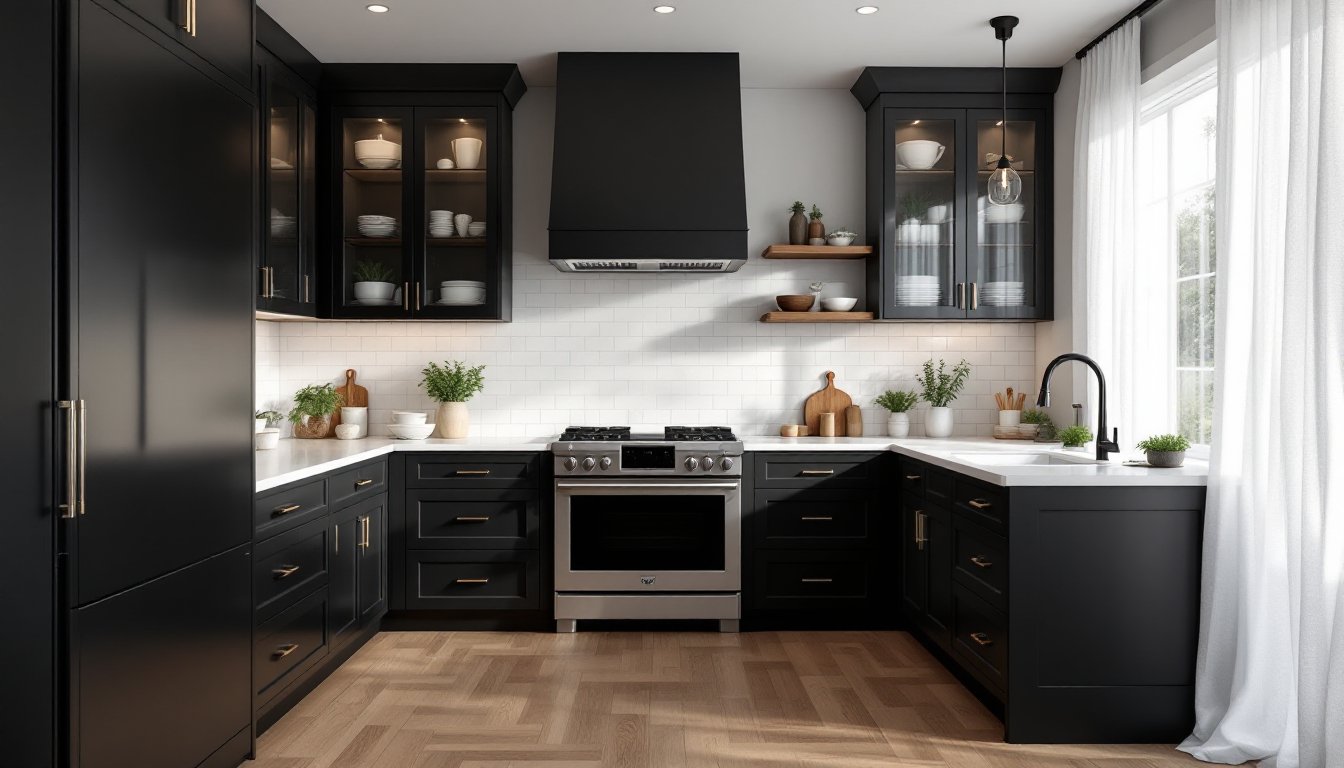
ToggleBlack kitchens are no longer just a niche trend, they’re everywhere, from sleek urban lofts to renovated suburban homes. The color brings drama, sophistication, and a surprising amount of versatility to what’s often the busiest room in the house. But going black isn’t as simple as slapping on a coat of paint: it requires thoughtful choices about materials, lighting, and contrast to avoid making the space feel like a cave. This guide walks through the essentials: why black works, what to pair it with, and how to execute it without blowing the budget or losing natural light.
Key Takeaways
- Black kitchen design eliminates fingerprints and wear visibility better than white, making it both a sophisticated choice and a practical investment for busy homes.
- Successful black kitchens require strategic contrast through light countertops, warm wood accents, and metallic hardware to avoid a heavy, cave-like appearance.
- Layered lighting with ambient, task, and accent elements is essential in black kitchen design to maintain brightness and functionality, including under-cabinet LED strips and pendant lights.
- Painting existing cabinets is the most budget-friendly way to achieve black kitchen aesthetics, costing $200–600 for materials when handled as a DIY project.
- Black pairs beautifully with warm wood tones, white or cream walls, and quality metallics, creating a modern look that works across multiple design styles from industrial to farmhouse.
- Proper cabinet prep—sanding, cleaning with TSP, and applying primer—is critical for DIY black kitchen transformations to prevent chipping and ensure durability.
Why Black Kitchens Are Having a Major Moment
Black has always been a power player in interiors, but kitchens specifically are seeing a surge in darker palettes as homeowners move away from the all-white aesthetic that dominated the 2010s. Part of the shift is fatigue, white shows every fingerprint, scratch, and grease splatter. Black, particularly in matte or textured finishes, hides minor wear and creates a bold focal point.
Another driver is the rise of mixed-material design. Black acts as a neutral anchor that lets natural wood, brass hardware, marble veining, and colorful tile shine without competing. It’s also forgiving in open-concept layouts: a black kitchen can visually separate cooking zones from living areas without requiring walls.
Finally, black fits multiple styles. It works in modern minimalist spaces, industrial lofts, transitional homes, and even farmhouse kitchens when paired with reclaimed wood or open shelving. The key is intentionality, black for black’s sake can feel heavy, but black as part of a layered material palette feels grounded and deliberate.
Essential Elements of Black Kitchen Design
Black Cabinetry Options and Finishes
Cabinets are the largest visual surface in most kitchens, so the finish choice matters. Matte black is the most popular, it diffuses light, hides fingerprints better than gloss, and feels modern without being stark. Look for paints with built-in primer and scrubbable finishes: Benjamin Moore Advance in Black or Sherwin-Williams Tricorn Black are solid options.
Satin or semi-gloss black adds subtle sheen and works well in traditional or transitional kitchens. It’s easier to wipe down than matte but shows smudges more readily. High-gloss black lacquer is dramatic and reflective, ideal for small kitchens where you want to bounce light, but it requires frequent cleaning and shows every fingerprint.
For DIYers painting existing cabinets, prep is everything. Sand with 120-grit then 220-grit paper, clean with TSP (trisodium phosphate), and apply a bonding primer like STIX or BIN shellac-based primer before topcoats. Skipping primer on glossy or laminate cabinets leads to chipping within months. Use a foam roller for smooth surfaces and a fine-bristle brush for edges and details.
If replacing cabinets, consider Shaker-style doors in black, they’re timeless and show off the color without ornate distractions. Pair with brushed brass, matte gold, or black hardware for a cohesive look.
Countertops and Backsplash Pairings That Pop
Black cabinetry needs contrast to avoid feeling monolithic. White or light-gray quartz countertops are the safest bet, they’re durable, non-porous, and come in slab sizes up to 63 x 126 inches, minimizing seams. Brands like Caesarstone and Silestone offer whites with subtle veining that mimic marble at a lower cost and without the maintenance.
Marble (Carrara, Calacatta, or Statuario) is stunning but porous, it will etch from acidic foods and stain from oils. If going this route, seal it every six months with a penetrating sealer like StoneTech BulletProof. Be honest with yourself: if you’re not meticulous about wiping spills, choose quartz.
Butcher block adds warmth and works beautifully in black cabinetry designs that lean farmhouse or Scandinavian. Use edge-grain maple or walnut, at least 1.5 inches thick, and finish with food-safe mineral oil or Waterlox Original for a harder, water-resistant surface. Expect maintenance, monthly oiling and occasional sanding to remove stains.
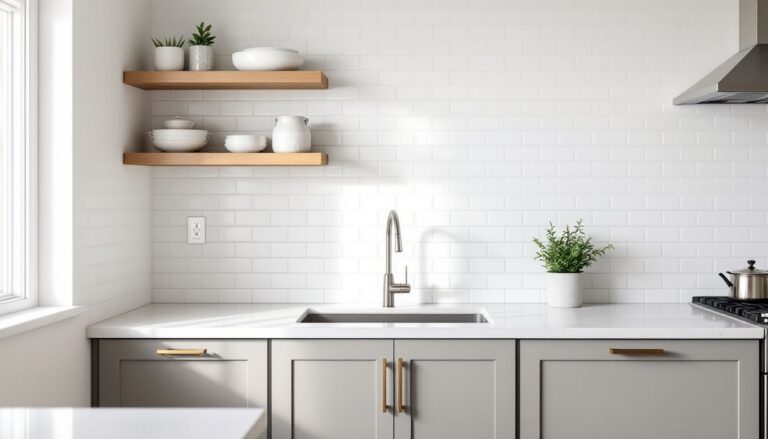
For backsplashes, white subway tile in 3 x 6-inch format is classic and budget-friendly (around $1–3/sq ft for ceramic). Lay it in a running bond or herringbone pattern with light gray grout to avoid the sterile look of pure white grout. Alternatively, black zellige or handmade tile creates a tonal, textured backdrop that’s rich without being busy.
Marble slab backsplashes are a splurge but eliminate grout lines and make a statement. If using marble, book-match the slabs for symmetry. For a bolder move, try patterned cement tile in black, white, and a third accent color, just be sure to seal it properly with a penetrating sealer to prevent staining.
Lighting Strategies to Brighten Dark Spaces
Dark kitchens require layered lighting, relying on a single overhead fixture will leave you with shadows and a gloomy workspace. Plan for three types: ambient, task, and accent.
Ambient lighting provides overall illumination. Recessed LED downlights spaced 4–6 feet apart work well: use 3000K color temperature for a warm white that balances the coolness of black. Avoid anything below 2700K (too yellow) or above 4000K (too clinical). Calculate lumens based on square footage: aim for 50–75 lumens per square foot in a kitchen.
Task lighting is critical over countertops, sinks, and ranges. Under-cabinet LED strips are non-negotiable, install them at the front edge of the cabinet base, not the back, to minimize shadows. Look for CRI (Color Rendering Index) above 90 so food and materials look true to color. Hardwired options are cleaner, but plug-in kits from Litcessory or GetInLight are DIY-friendly and dimmable.
Over islands or peninsulas, hang pendant lights 30–36 inches above the countertop. In black kitchens, metallic or glass pendants add contrast and sparkle. Space multiple pendants evenly, leaving 24–30 inches between centers.
Accent lighting highlights architectural features or open shelving. Small puck lights or LED tape inside glass-front cabinets add depth. If you have a coffered ceiling or range hood, consider recessed lights or sconces to draw the eye upward.
Finally, don’t underestimate natural light. If possible, keep window treatments minimal, sheer linen or roller shades in white or cream let daylight flood in without sacrificing privacy.
Mixing Black with Other Colors and Materials
Black works best when it’s not the only note in the room. Warm wood tones, walnut, oak, or reclaimed pine, soften the starkness and add organic texture. Floating shelves, a wood island base, or a butcher block countertop all introduce warmth without diluting the drama.
Whites and off-whites (cream, ivory, warm gray) are the most common pairings. They provide breathing room and prevent the kitchen from feeling closed-in. Use them on walls, ceilings, and large surfaces like backsplashes or countertops.
Metallics add polish. Brass and gold bring warmth: brushed nickel and stainless steel skew cooler and more industrial. Pick one metal finish and use it consistently across hardware, faucets, and light fixtures for a cohesive look. Mixing metals can work but requires a confident eye, limit it to two finishes max.
For those who want color, deep greens (forest, emerald) or navy blues pair beautifully with black in two-tone cabinets. Paint lower cabinets black and uppers in the accent color, or vice versa. This approach is popular in modern kitchen trends that emphasize bold, personalized palettes.
Concrete or terrazzo floors complement black cabinetry in industrial or contemporary spaces. If going this route, note that polished concrete can be slippery when wet and requires sealing every 1–2 years. Wide-plank oak or maple flooring in light to medium tones provides contrast and warmth underfoot.
Budget-Friendly Ways to Incorporate Black into Your Kitchen
A full black kitchen remodel can run $15,000–50,000+ depending on materials and labor, but smaller interventions deliver impact without the price tag.
Paint existing cabinets. This is the most cost-effective transformation, budget around $200–600 for paint, primer, sandpaper, brushes, and rollers if doing it yourself. Factor in a long weekend for prep, priming, and two topcoats. Remove doors and hardware, work in a well-ventilated area, and let each coat cure fully (24 hours minimum).
Swap hardware. Replacing cabinet pulls and knobs with matte black or brass versions costs $3–15 per piece. Measure existing hole spacing (standard is 3 or 3.75 inches for pulls) to avoid drilling new holes. This small change unifies the look and modernizes dated cabinets.
Add a black backsplash. Peel-and-stick tile has come a long way, options from Tic Tac Tiles or Art3d mimic subway tile or hexagons for around $15–25 per 10-pack. They’re removable, making them renter-friendly, but won’t hold up as well as real tile in high-heat areas directly behind ranges.
Paint or replace the island. If a full cabinet overhaul isn’t in the budget, paint just the island black and leave perimeter cabinets as-is. This creates a focal point and tests the color without full commitment. Pair with a contrasting countertop, butcher block or white quartz, to make it pop.
Black fixtures and accessories. Swap a builder-grade faucet for a matte black one (Delta Trinsic or Kraus Bolden are reliable mid-range options around $150–250). Add black bar stools, a black range hood cover, or black open shelving brackets. These touches layer in the aesthetic without requiring demolition.
Focus on accents. Even small doses work, black pendant lights, a black subway tile border, or black grout with white tile. The key is intentionality. Random black elements look disjointed: a planned color story feels curated.
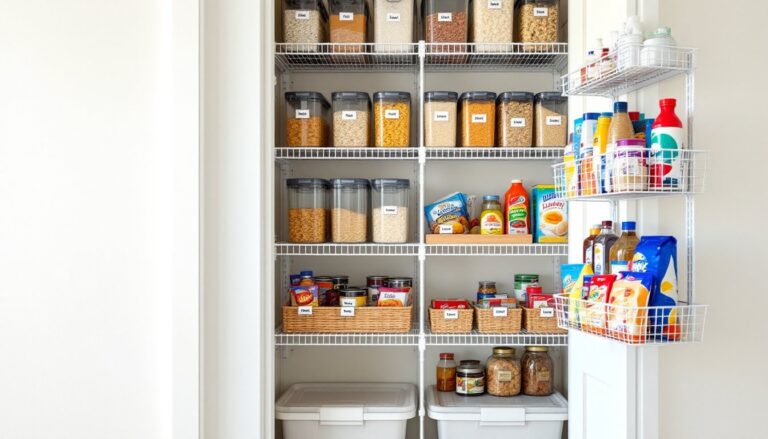
For kitchen organization tips that maximize function in any color scheme, prioritize pull-out shelves, drawer dividers, and labeled containers, good design marries form and function.
Remember: DIY saves labor costs but demands time and precision. If tackling cabinetry, invest in quality brushes, take your time with prep, and don’t skip steps. A sloppy DIY paint job will look worse than the old cabinets, but a careful one rivals professional work at a fraction of the cost.